

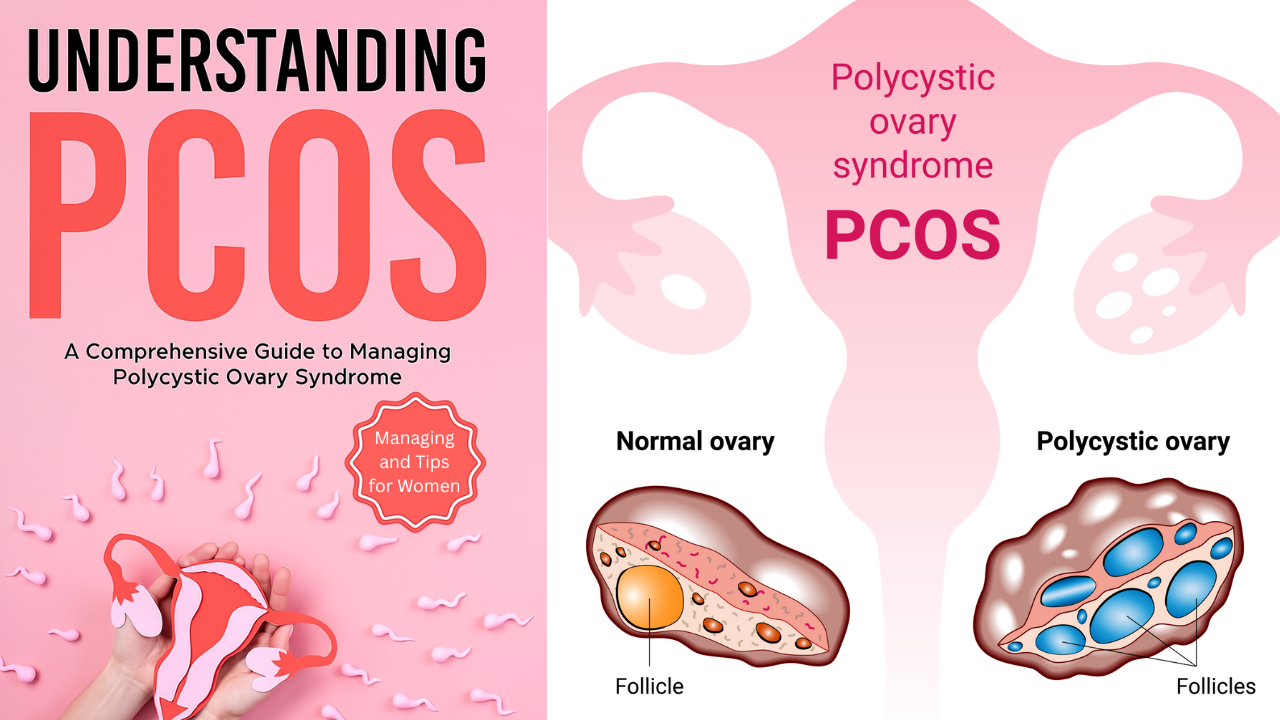
Polycystic Ovary Syndrome (PCOS) is one of the most common hormonal and metabolic disorders among women of reproductive age, including a significant number in the UAE. It affects around 6-13% of reproductive aged women worldwide. PCOS results from complex interplay of hypothalamus, pituitary gland, ovaries, and pancreas resulting in excess Insulin from the pancreas and LH (Luteinizing Hormone) from the pituitary gland stimulating ovaries to produce excess androgens (male hormone testosterone). Excess androgens disrupt the normal development and release of eggs from ovaries, cause excess hair growth over face and other body parts (hirsutism), irregular menses, and infertility . Instead, immature eggs accumulate as cysts in the ovaries, leading to development of polycystic appearance on ultrasonography.
PCOS is not just a reproductive issue, it is also linked to insulin resistance, obesity, diabetes, and cardiovascular disease. Early diagnosis and lifestyle changes can dramatically improve quality of life and fertility outcomes.
PCOS in the UAE Context
The UAE, like many countries in the Middle East, is witnessing a sharp rise in lifestyle-related health conditions such as obesity & diabetes, all strongly linked to PCOS.
Key regional insights:
- Research indicates that 1 in 5 women in the Middle East may have PCOS.
- Obesity rates in the UAE (over 40% among women) significantly increase the risk of PCOS.
- Insulin resistance and type 2 diabetes, already prevalent in the UAE, worsen PCOS symptoms.
- Many women in the UAE delay childbearing, which can compound fertility challenges linked to PCOS.
Who is at Risk in the UAE?
Women in the UAE are more vulnerable to PCOS due to:
- Genetic predisposition higher rates among South Asian, Middle Eastern, and Mediterranean populations with family history of Diabetes and obesity.
- Overweight and obesity are very common predisposing factors.
- Unhealthy diet patterns excessive consumption of ultra-processed fast food, fried items, excess rice consumption, high caloric and fat rich food items, Karak tea with sugar, and desserts.
- Sedentary lifestyles desk jobs, long commutes, and limited physical activity.
- High stress levels, fast-paced work environments and irregular sleep cycles.
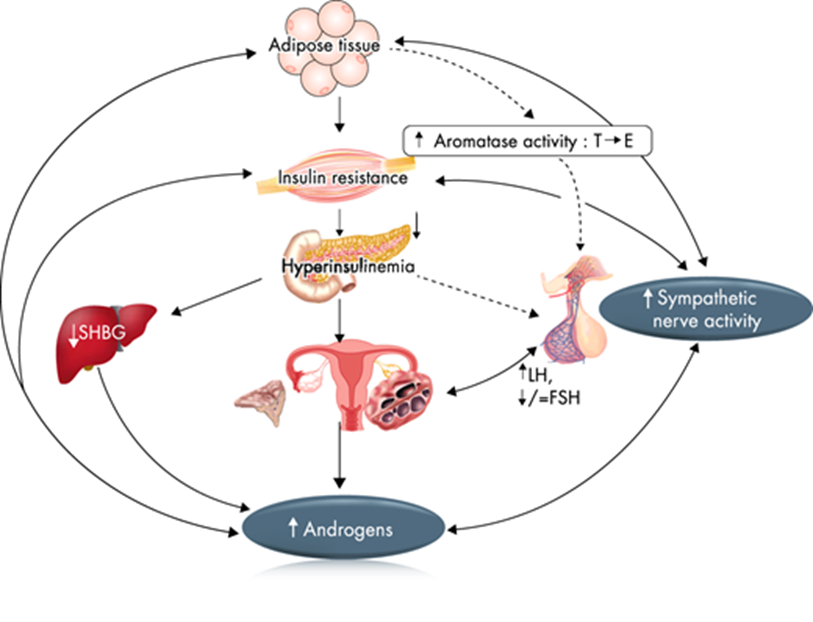
Image Source: Endocrine Reviews, Volume 36, Issue 5, October 2015
Common Symptoms of PCOS
- Irregular or absent menstrual cycles.
- Excess coarse hair growth (face, chest, abdomen).
- Acne and oily skin.
- Weight gain or difficulty losing weight.
- Thinning hair or male-pattern baldness.
- Infertility or difficulty conceiving.
- Mood swings, fatigue, and anxiety.
Complications of PCOS if Left Untreated
PCOS is more than a reproductive condition it is a long-term health concern. If unmanaged, women in the UAE may face:
- Infertility challenges, especially with delayed family planning.
- Type 2 diabetes already affecting over 1 million people in the UAE.
- Mmetabolic syndrome, both common in the region.
- Cardiovascular diseases, including hypertension and cholesterol imbalance.
- Sleep apnea, linked to obesity and PCOS.
- Increased risk of endometrial cancer due to prolonged irregular cycles.
- Mental health issues such as depression and anxiety.
Managing PCOS in the UAE
PCOS cannot be fully “cured,” but it can be managed effectively with a combination of lifestyle changes, medical care, and holistic support.
1. Lifestyle Modifications
- Nutrition: Adopt a balanced diet similar to the Mediterranean diet rich in lean proteins, whole grains, and vegetables. Avoid refined carbs, fried foods, and high-sugar drinks.
- Exercise: Engage in at least 150 minutes of activity per week. Many women in the UAE benefit from women-only gyms, fitness studios, or swimming sessions.
- Stress Management: Yoga, meditation, and mindfulness sessions, increasingly available in Dubai and Abu Dhabi wellness centers, can help regulate hormones.
2. Medical Treatments in the UAE
- Hormonal therapy (birth control pills) to regulate cycles and reduce androgen effects.
- Hirsutism– Hormonal treatment targeting to excess hair growth.
- Metformin and other insulin-sensitizing drugs for metabolic health.
- Fertility treatments such as ovulation induction, IVF, and advanced reproductive techniques offered at leading UAE clinics (e.g., Fakih IVF, Bourn Hall, Mediclinic).
- Dermatological treatments, including laser hair removal and acne management, widely available in aesthetic clinics.
3. Holistic & Complementary Approaches
- Vitamin D and Omega-3 supplements, commonly prescribed due to deficiencies in the UAE.
- Wellness retreats for detox and hormonal balance.
- Berberine Extract- Berberine is a natural plant alkaloid with insulin-sensitizing and metabolic effects and could be very beneficial in PCOS to improve periods, reduce hair growth and improve insulin sensitivity.
- Myo-Inositol – Myo-inositol is a naturally occurring insulin sensitizer and part of the inositol phosphoglycan (IPG) secondary messenger system. It cane be helpful in improving insulin sensitivity, ovarian function especially ovulation ,and fertility.
Can PCOS Be Prevented in the UAE?
While PCOS itself may not always be preventable, its symptoms and risks can be reduced by:
- Maintaining a healthy weight through consistent diet and exercise. Take advice from a certified nutritionist and endocrinologist.
- Reducing fast food and sugar-rich beverages common in UAE culture.
- Monitoring and correcting Vitamin D deficiency through supplements or safe sun exposure.
- Prioritizing sleep hygiene despite busy urban lifestyles.
- Scheduling regular gynecological check-ups at DHA, SEHA, or private clinics for early intervention.
Tips for UAE Women with PCOS
- Use menstrual tracking apps to monitor cycles.
- Choose gyms or community fitness programs for comfort and motivation.
- Practice yoga and pilates, widely available in wellness hubs across the Emirates.
- Seek mental health support, many UAE clinics now integrate counseling with women’s health programs.
Conclusion
PCOS is a growing women’s health concern in the UAE, fueled by lifestyle, diet, and genetic predispositions. But with early diagnosis, personalized medical care, and lifestyle changes, women can effectively manage PCOS, protect fertility, and reduce long-term complications.If you experience PCOS symptoms, consult a gynecologist or endocrinologist in the UAE for a tailored treatment plan. Remember awareness, action, and consistency are the keys to living well with PCOS.