
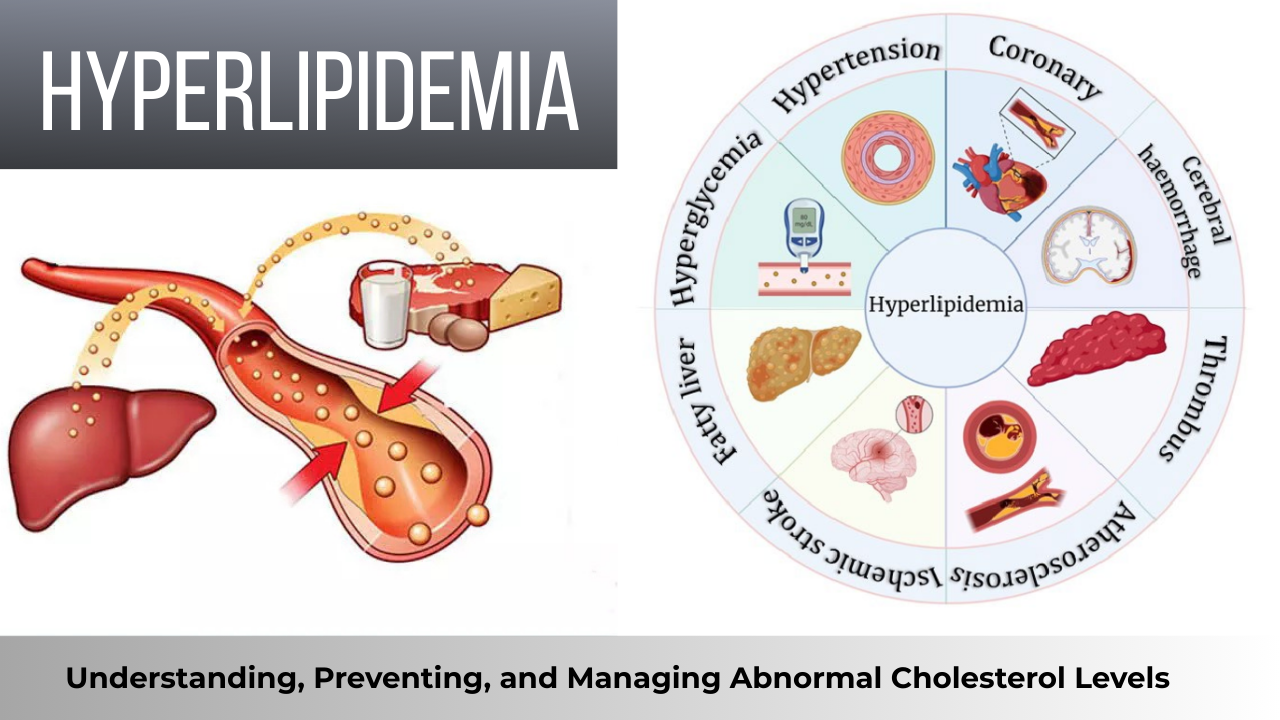
Hyperlipidemia or Dyslipidemia is a medical condition in which blood lipid or cholesterol (fat) levels are abnormal. It commonly refers to elevated cholesterol, triglycerides, or both, or low levels of protective HDL (high-density lipoprotein). These imbalances increase the risk of atherosclerosis (plaque buildup in arteries) leading to heart disease, stroke, and other cardiovascular complications. In simple terms, dyslipidemia is a “silent” but serious health problem that can affect anyone—especially people with diabetes, obesity, or hypertension, all of which are highly prevalent in the UAE. High cholesterol is the number one risk factor for heart attack and when with diabetes , it is number one killer.
Dyslipidemia in the UAE Context
The UAE is experiencing an increase in lifestyle-related chronic conditions. According to regional health surveys:
- 1 in 3 adults in the UAE have high cholesterol.
- Cardiovascular disease is the leading cause of death in the UAE, with dyslipidemia being a major risk factor.
- High prevalence of obesity, diabetes, hypertension, and sedentary lifestyles in the region significantly contributes to abnormal cholesterol levels.
- Many cases remain undiagnosed as dyslipidemia has no symptoms until complications occur.
Types of Dyslipidemia
- High LDL cholesterol (“bad” cholesterol): Leads to plaque buildup in arteries.
- Low HDL cholesterol (“good” cholesterol): Reduces protection against heart disease.
- High triglycerides: Common in diabetes, obesity, and heavy carbohydrate intake and can contribute to pancreatitis (if more than 500mg/dl) and may contribute in cardiovascular problems.
- Mixed dyslipidemia: A combination of high LDL and triglycerides with low HDL , contribute to cardiovascular disease.
Risk Factors in the UAE
- Unhealthy diet: High intake of fried foods, fast food, desserts, and sugar-sweetened beverages (common in UAE culture).
- Obesity: Over two third of UAE adults are overweight or obese.
- Diabetes: Nearly 15-16% of UAE adults have diabetes, which often coexists with dyslipidemia.
- Sedentary lifestyle: Desk jobs, car dependency, and limited exercise.
- Smoking & Shisha: Common habits that worsen cholesterol levels.
- Genetics: Familial hypercholesterolemia (inherited high cholesterol) is underdiagnosed in the region.
Symptoms of Dyslipidemia
Dyslipidemia usually has no visible symptoms, which is why regular screening is critical. In severe cases, it may cause:
- Chest pain or angina.
- Shortness of breath.
- Xanthomas (fatty deposits under the skin).
- Stroke or heart attack (in advanced stages).
Complications of Untreated Dyslipidemia
If left unmanaged, dyslipidemia can lead to serious health conditions:
- Coronary artery disease → heart attacks.
- Stroke and transient ischemic attacks (TIAs).
- Peripheral artery disease → poor circulation in legs.
- Contribute to development of Metabolic Dysfunction Associated Steatotic Liver Disease or Non-alcoholic Fatty Liver Disease.
- It contributes to chronic kidney disease, especially in people with diabetes.
- Contributes to development of Metabolic syndrome and insulin resistance.
Management of Dyslipidemia in the UAE
1. Lifestyle Modifications
- Balanced diet: Adopt a Mediterranean-style diet with more fruits, vegetables, whole grains, nuts, and fish. Reduce fried food, sugary desserts, and processed meat.
- Physical activity: At least 150 minutes of moderate exercise per week (walking, gym, swimming, cycling). Ladies-only gyms and community programs are widely available in the UAE.
- Quit smoking & shisha: Both significantly raise cardiovascular risk.
- Weight loss: Even a 5–10% reduction in weight can improve cholesterol and triglyceride levels.
2. Medical Treatment
- Statins: Widely prescribed medication worldwide for lowering LDL cholesterol. Mostly safe and must be continued for long term.
- Fibrates like Fenofibrate: Used for treating high triglycerides.
- Ezetimibe, Bempedoic Acid, PCSK9 inhibitors, & Inclisiran : For patients not responding to statins or very high-risk patients with cardiovascular disease or with familial hypercholesterolemia.
- Omega-3 supplements: Often recommended for triglyceride management.
3. Regular Screening
- Adults in the UAE (age 20+) should get a lipid profile test regularly once in 2-3 yrs. If abnormal, must see a specialist to get guidance and treatment.
- High-risk individuals (diabetics, hypertensive patients, obese individuals) should test more frequently if on medication as per the guidance of their treating physicican.
- Screenings are available in both government hospitals (SEHA, DHA) and private clinics or hospitals.
- Lab test should be preferably done in morning after 12-14hrs of fasting.
Can Dyslipidemia Be Prevented?
Yes, prevention is possible with consistent lifestyle habits unless it is of genetic origin:
- Maintain a healthy diet with limited saturated and trans fats. Use healthy oils like extra virgin olive oil or other oils rich in mono and polyunsaturated fats.
- Stay active daily, even with busy UAE work schedules.
- Get regular cholesterol checks as part of annual health screenings.
- Manage diabetes and hypertension effectively.
- Limit fast food, sugary drinks, and late-night heavy meals common in the region.
Tips for UAE Residents to Improve Cholesterol Levels
- Replace fried food with grilled or baked options.
- Choose fresh fruits and dates instead of sugary desserts.
- opt for fresh low-fat dairy instead of full cream.
- Drink green tea instead of multiple cups of karak tea with sugar.
- Walk in malls, corniche, or parks to stay active despite hot weather.
Conclusion
Dyslipidemia is a silent but serious condition and leading cause of heart disease in the UAE. It is closely linked to other cardio-metabolic conditions like diabetes, hypertension, obesity, and heart disease. The good news is that with early detection, lifestyle modifications, and medical treatment, it can be effectively managed and complications prevented. If you haven’t had a cholesterol test recently, consult your healthcare provider today. In a country where lifestyle-related conditions are rising, awareness and prevention are the first steps to protecting your heart health.