



Introduction
Living with diabetes requires constant monitoring and precise insulin delivery. For many, an insulin pump offers a convenient and effective way to manage blood sugar levels. Unlike multiple daily injections (MDI), an insulin pump provides continuous insulin delivery, closely mimicking the function of a healthy endocrine system. In this blog, we’ll explore how insulin pumps work, their benefits, types, and key considerations for choosing the right one—while also understanding their role in endocrine health.
What is an Insulin Pump?
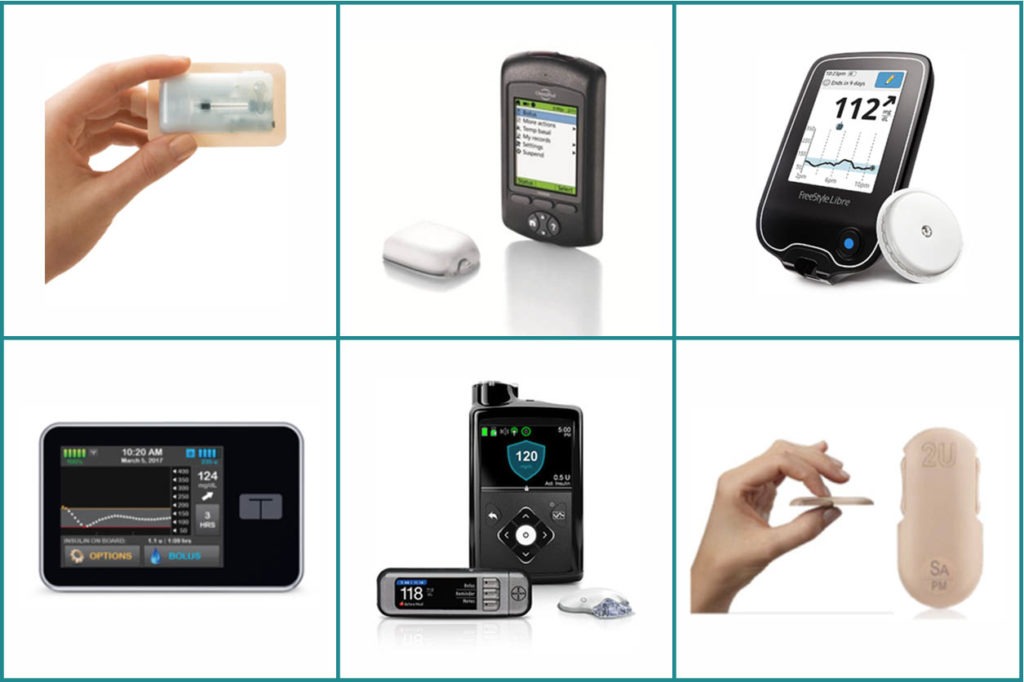
An insulin pump is a small, wearable medical device that delivers continuous subcutaneous insulin infusion (CSII). It replaces the need for frequent insulin injections by providing a steady flow of rapid-acting insulin, functioning similarly to how a healthy pancreas would in a person without diabetes.
How Does an Insulin Pump Work?
- Continuous Basal Insulin Delivery – The pump administers small doses of insulin throughout the day.
- Bolus Dosing for Meals – Users can manually deliver extra insulin to cover carbs or correct high blood sugar.
- Customizable Settings – Allows personalized insulin delivery based on activity levels, diet, and glucose trends.
- Integration with CGM (Continuous Glucose Monitor) – Many modern pumps sync with CGMs for real-time glucose tracking and automated adjustments.
The Role of the Endocrine System in Diabetes
The endocrine system plays a crucial role in regulating blood sugar through hormones like insulin (produced by the pancreas) and glucagon. In diabetes:
- Type 1 Diabetes – The pancreas produces little to no insulin due to autoimmune destruction of beta cells.
- Type 2 Diabetes – The body becomes resistant to insulin, and the pancreas may not produce enough over time.
An insulin pump helps compensate for these endocrine dysfunctions by:
- Providing physiologic insulin delivery (mimicking natural insulin secretion).
- Reducing glucose variability, which helps prevent complications like diabetic neuropathy and retinopathy.
Benefits of Using an Insulin Pump
- Improved Blood Sugar Control – Reduces HbA1c levels with precise insulin dosing.
- Flexibility in Lifestyle – No need for multiple daily injections (MDI).
- Reduced Hypoglycemia Risk – Advanced pumps integrate with CGM (Continuous Glucose Monitor) for real-time alerts.
- Better Meal Management – Easier carb counting and bolus adjustments.
- Integration with CGM (Continuous Glucose Monitor) – Many modern pumps sync with CGMs for real-time glucose tracking and automated adjustments.
Types of Insulin Pumps
- Traditional Tubed Pumps
(e.g., Medtronic MiniMed, Tandem t:slim X2)
– Connected via a thin tube, worn on the body. - Patch Pumps (Tubeless)
(e.g., Omnipod Dash)
– Wireless, disposable, and more discreet. - Hybrid Closed-Loop Systems (Automated Insulin Delivery)
(e.g., Tandem Control-IQ, Medtronic 780G)
– Automatically adjusts insulin based on CGM data. - Next-Generation: Dual-Hormone & Fully Closed-Loop Systems
– Deliver both insulin and glucagon, creating a true artificial pancreas with minimal user input (explained in detail below).
What is a Closed-Loop System?
Also known as the “artificial pancreas”, closed-loop systems automate insulin delivery by integrating a pump, CGM, and algorithm. These systems calculate and adjust insulin doses in real-time, significantly reducing user burden.
Dual-Hormone Closed-Loop Pumps
The next frontier is dual-hormone delivery: insulin and glucagon. These systems simulate natural pancreatic function more closely:
- Insulin lowers blood glucose.
- Glucagon raises blood glucose and prevents hypoglycemia.
Benefits of Dual-Hormone Systems
- Tighter Glucose Control: Reduced highs and lows.
- Improved Cognitive Safety: Especially during sleep and exercise.
- Reduced Need for Manual Corrections: System adjusts based on trends.
- Potential for Pediatric and Fragile Populations: Where hypoglycemia risk is high.
Examples in Development/Use
- iLet Bionic Pancreas (Beta Bionics) – Fully autonomous, FDA-approved in the US for insulin-only use, with glucagon delivery under clinical trials.
- Inreda AP (Netherlands) – Delivers both insulin and glucagon in real-time; under regulatory review in Europe.
- CamAPS HX (UK) – Hybrid closed-loop with expanding adaptability for various user groups.
Who Should Consider an Insulin Pump?
- People with Type 1 Diabetes needing precise, flexible insulin dosing.
- Individuals with Type 2 Diabetes who require multiple insulin injections.
- Those experiencing frequent hypoglycemia or hyperglycemia.
- Pregnant women with diabetes needing tight glucose control.
- Children and Teens with active lifestyles.
Key Features to Look for in an Insulin Pump
- ✔ CGM Integration – For real-time glucose monitoring.
- ✔ User-Friendly Interface – Easy programming and alerts.
- ✔ Water Resistance – Allows showering or swimming.
- ✔ Battery Life & Insulin Capacity – Ensures long-lasting use.
Insulin Pump Cost & Insurance Coverage
- In the U.S., insulin pumps typically cost between $4,000–$8,000, but most insurance plans (including Medicare) cover them with a prescription.
- In the UAE, coverage is often not included in standard insurance. Monthly consumable costs vary by pump model.
Potential Challenges & Considerations
- Learning Curve – Requires training for proper use.
- Skin Irritation – Adhesive patches may cause reactions.
- Risk of DKA (Diabetic Ketoacidosis) – If insulin delivery is interrupted.
- Cost & Maintenance – Ongoing supply expenses.
Conclusion
Insulin pumps are a powerful tool in modern diabetes care—delivering precision, flexibility, and peace of mind. With evolving technologies like closed-loop and dual-hormone delivery, the future of diabetes management is becoming smarter, safer, and more user-friendly. If you’re considering switching from injections to a pump, speak with your endocrinologist to determine the best fit for your lifestyle and health needs.